The Myth of Equality in Capitalist Democracies: A Critical Analysis
Unpacking the Paradox Between Democratic Ideals and Capitalist Realities
Key Metrics:
- Wealth Distribution: The top 1% of earners control 44% of global wealth, while the bottom 50% share just 2% (World Inequality Report, 2024).
- Income Inequality: The Gini coefficient in major capitalist democracies like the U.S. (0.41) and India (0.48) reveals significant income disparities (World Bank, 2024).
- Social Mobility: Only 12% of individuals born in low-income families in the U.S. rise to the top income quintile, showcasing limited mobility (OECD, 2024).
- Wage Gaps: Gender pay gaps persist, with women earning 82 cents for every dollar earned by men in the U.S. and 68 cents in India (ILO Gender Wage Report, 2024).
Introduction
Capitalist democracies promise equality, opportunity, and freedom as cornerstones of their systems. However, in practice, these nations often grapple with widening economic disparities, structural inequality, and the prioritization of corporate interests over public welfare. This article critically examines the persistent myth of equality in capitalist democracies, exploring how economic structures and democratic governance often conflict with the principles of equity and justice.
The Foundations of Inequality in Capitalist Democracies
1. Structural Economic Inequalities
Capitalism inherently rewards capital ownership and entrepreneurial risk, creating a system where wealth accumulates among a few:
- Wealth Concentration: In the United States, the richest 10% hold 70% of total household wealth, a pattern mirrored in other capitalist democracies.
- Corporate Dominance: Multinational corporations wield immense power, often influencing policymaking. In 2024, the combined revenue of the top 100 companies globally exceeded $15 trillion, surpassing the GDP of most nations (Forbes Global 2000, 2024).
2. Disparities in Access to Resources
Education, healthcare, and housing remain disproportionately accessible to wealthier citizens:
- Education Inequality: In India, private school enrollment increased by 15% over the last decade, highlighting the inadequacies of public education for lower-income groups (Ministry of Education, 2024).
- Healthcare Gaps: In the U.S., 9% of citizens remain uninsured, with access to quality care tied to income levels (Kaiser Family Foundation, 2024).
3. The Illusion of Social Mobility
Capitalist democracies often promote the idea of “rags to riches,” yet data tells a different story:
- Limited Mobility: A report by the OECD reveals that it takes five generations for a low-income family in the U.S. to reach the median income level.
- Generational Wealth: Inheritances and intergenerational transfers further entrench inequality, with 40% of wealth in capitalist democracies passed down rather than earned.
The Role of Democracy in Perpetuating Inequality
1. Influence of Corporations
In capitalist democracies, corporate lobbying and campaign financing often skew policymaking in favor of the wealthy:
- Lobbying Expenditures: In 2024, U.S. corporations spent over $4 billion on lobbying, shaping policies on taxes, labor, and trade (OpenSecrets.org, 2024).
- Regulatory Capture: Industries like pharmaceuticals and finance wield disproportionate influence, often at the expense of public welfare.
2. Weak Redistribution Mechanisms
While democracies rely on taxation and welfare to mitigate inequality, these measures are often insufficient or poorly implemented:
- Tax Avoidance: Multinational corporations exploit loopholes to evade taxes, costing governments an estimated $400 billion annually (Tax Justice Network, 2024).
- Inadequate Welfare Spending: Countries like India spend only 3.5% of GDP on social protection, far below the global average of 9% (World Bank, 2024).
3. Marginalization of Minority Voices
Democratic systems often fail to adequately represent marginalized groups, perpetuating disparities:
- Gender Inequality: Women occupy only 27% of parliamentary seats globally, limiting their influence on policy decisions (Inter-Parliamentary Union, 2024).
- Ethnic Disparities: In countries like Brazil and the U.S., racial minorities face higher poverty rates and limited access to opportunities.
The Impact on Society
1. Erosion of Trust in Democracy
Economic disparities undermine public faith in democratic institutions:
- Voter Apathy: In 2024, voter turnout in advanced capitalist democracies averaged 60%, reflecting growing disillusionment (International Institute for Democracy and Electoral Assistance).
- Populist Movements: Inequality fuels populism, with leaders exploiting economic grievances to push nationalist and authoritarian agendas.
2. Social Fragmentation
Economic divides lead to increased polarization and societal unrest:
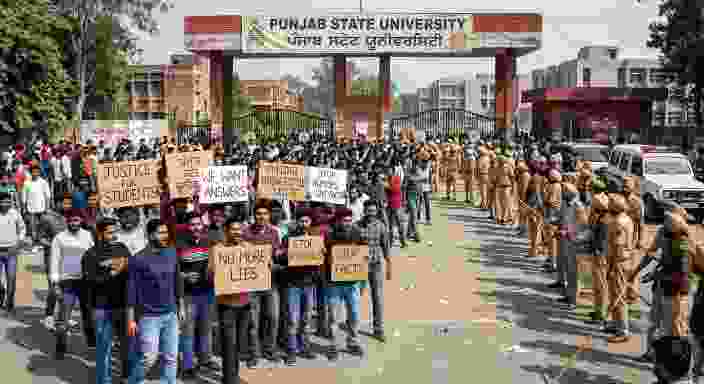
- Protests and Movements: France’s Yellow Vest protests and India’s farmer agitations highlight discontent with capitalist structures.
- Urban-Rural Divides: Resource allocation often favors urban centers, leaving rural areas underserved and economically stagnant.
Recommendations for Equitable Democracies
To address systemic inequalities, capitalist democracies must adopt reforms that prioritize equity:
- Progressive Taxation: Close tax loopholes and implement higher taxes on the ultra-wealthy to fund social programs.
- Universal Basic Services: Guarantee access to healthcare, education, and housing as fundamental rights.
- Corporate Accountability: Enforce stricter regulations on corporate lobbying and ensure fair wages for workers.
- Empower Marginalized Groups: Increase representation of women and minorities in political and economic leadership.
- Strengthen Social Safety Nets: Expand welfare programs to reduce poverty and provide a safety net for vulnerable populations.
Conclusion
The myth of equality in capitalist democracies highlights the inherent tension between economic systems driven by profit and democratic ideals of fairness. While capitalism generates wealth and innovation, its structural inequalities challenge the very foundation of democratic governance. Achieving a more equitable society requires systemic reforms that align economic policies with the principles of justice and inclusivity. The question remains: Can capitalist democracies evolve to fulfill their promises of equality, or will inequality remain an enduring contradiction?